What to Pack for Oʻahu: A Practical Packing List by Activity
A realistic Oʻahu packing list organized by beach, snorkel, hiking, rain and travel days — plus what you can leave at home.
Some links on this page are affiliate links. If you buy through them we may earn a commission at no extra cost to you. How we choose what to recommend.
In this guide10 sections
Packing for Oʻahu is mostly about what you won’t need: no heavy layers, no formalwear, rarely anything warmer than a light jacket. What matters is a handful of things that are hard to improvise once you’re there — reef-friendly sun protection, shoes that grip on muddy trails, a rain layer and a way to keep your phone dry.
This list is organized by the kind of day you’re planning, so you can skip whatever doesn’t apply. Where a product category genuinely helps, we explain what to look for and link to options on Amazon.
Everyday basics
- Light, breathable clothes. Shorts, T-shirts, a sundress or aloha shirt for dinner. Restaurants are almost all casual.
- Slippers (flip-flops) for the beach and town — the local default.
- A light layer for air-conditioned restaurants, evening breezes and the plane.
- A hat and sunglasses. The sun is strong year-round.
- A reusable water bottle. You’ll drink more than you expect.
Beach day
Most beaches have little shade, and the sun is strong even on cloudy days. Hawaiʻi law bans selling sunscreens containing oxybenzone or octinoxate without a prescription, so many visitors switch to mineral formulas.
Snorkel morning
Rented masks often leak or fog. If you plan to snorkel more than once, a mask that fits your face makes a real difference. Mornings are usually calmer, and a long-sleeve rash guard means less sunscreen in the water.
Hiking
Oʻahu trails are often hot and exposed, muddy after rain, or both. Slippers are fine for the beach, not for ridges.
Electronics
- Portable charger. Navigation and photos drain phones fast on rental-car days.
- Car phone mount and charging cable if you’re renting a car.
- US outlets are 120V Type A/B.
Travel documents and planning
- Driver’s license if you’re renting a car.
- Reservation confirmations for Hanauma Bay, Diamond Head and Pearl Harbor, saved offline. See what to book before you fly.
- Travel insurance details.
Rain and weather
What you can leave at home
- Heavy jackets (unless you’re planning a high-elevation trip to another island).
- Lots of shoes — slippers, trail shoes and one casual pair are plenty.
- Formalwear.
- Full-size toiletries — everything is easy to buy on the island.
Frequently asked questions
Do I need reef-safe sunscreen in Hawaiʻi?
Hawaiʻi bans the sale of sunscreens containing oxybenzone and octinoxate without a prescription. Mineral sunscreens with non-nano zinc oxide are the usual alternative. See our reef-safe sunscreen guide.
What shoes should I bring to Oʻahu?
Slippers for the beach and town, and a pair of shoes with real grip for trails. Water shoes help at rocky beaches.
Should I bring snorkel gear or rent it?
Renting is fine for a single outing. If you plan to snorkel two or more times, a mask that fits your face is usually worth bringing.
Keep planning



Keep exploring Oʻahu
More in Travel Gear
Reef-Safe Sunscreen in Hawaiʻi: What the Law Says and What to Pack
What Hawaiʻi’s sunscreen law actually requires, what “reef-safe” labels mean, and what to look for instead.
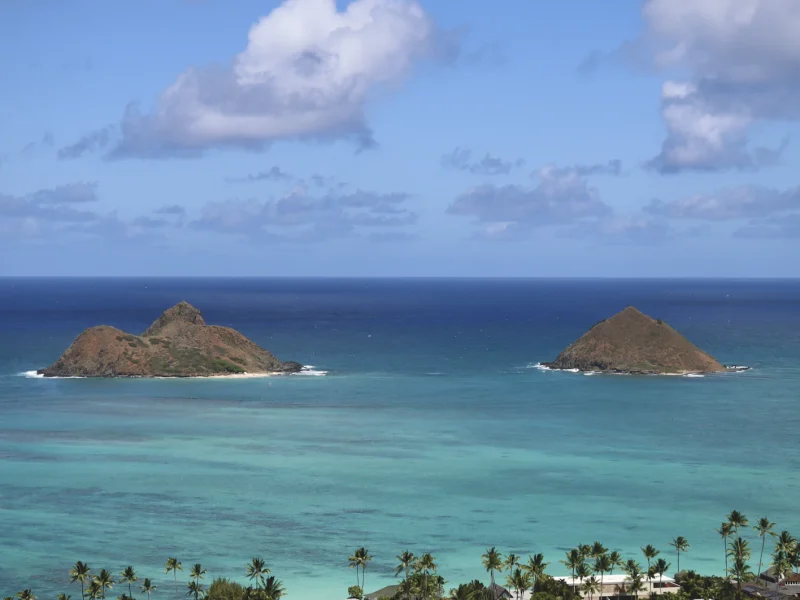
The Best Beaches on Oʻahu (And Which Ones to Skip for Swimming)
Oʻahu’s best beaches compared by region, season, lifeguard coverage and what each is best for —…
Oʻahu on a Budget: How to Save Without Missing Out
Where the money goes on an Oʻahu trip, how to save on lodging and transport, and…
Oʻahu With Kids: A Practical Family Trip Guide
Where to stay, the calmest beaches, kid-friendly things to do and the logistics that make an…