Reef-Safe Sunscreen in Hawaiʻi: What the Law Says and What to Pack
What Hawaiʻi’s sunscreen law actually requires, what “reef-safe” labels mean, and what to look for instead.

Some links on this page are affiliate links. If you buy through them we may earn a commission at no extra cost to you. How we choose what to recommend.
In this guide7 sections
Hawaiʻi was the first US state to restrict sunscreen ingredients to protect coral reefs. If you’re packing for Oʻahu, here’s what the law actually says, what “reef-safe” labels do and don’t mean, and what to look for instead.
What’s required on Oʻahu
Hawaiʻi’s Act 104, passed in 2018, bans the sale and distribution in Hawaiʻi of sunscreens containing oxybenzone or octinoxate without a prescription. It took effect on January 1, 2021.
- The state law limits what can be sold; it doesn’t fine visitors for wearing a sunscreen they bought elsewhere.
- Maui County goes further and restricts the sale and use of non-mineral sunscreens, and Hawaiʻi County restricts their sale. If your trip includes those islands, mineral sunscreen keeps things simple.
What “reef-safe” on the label means
“Reef-safe” and “reef-friendly” aren’t regulated terms. A product can use them and still contain ingredients researchers are concerned about. Read the active ingredients instead of trusting the front of the bottle.
What to look for
- Mineral active ingredients: zinc oxide and/or titanium dioxide.
- “Non-nano” particles, which many reef-conservation groups prefer.
- Water resistance (40 or 80 minutes), and reapply after swimming.
- No oxybenzone or octinoxate — required for anything sold in Hawaiʻi.
Use less sunscreen in the first place
The most reef-friendly sunscreen is the one you don’t need. A long-sleeve rash guard, a wide-brimmed hat and shade at midday cut how much you apply — and how much washes off into the water.
Buying on Oʻahu
Because of the law, sunscreens sold in Hawaiʻi stores shouldn’t contain oxybenzone or octinoxate, and mineral options are widely stocked in drugstores and ABC Stores. Buying before you fly mostly helps with price and choice.
Frequently asked questions
Will I be fined for using regular sunscreen on Oʻahu?
The state law bans the sale of sunscreens with oxybenzone or octinoxate; it doesn’t fine individuals for using them. Using a mineral sunscreen is still the respectful choice.
Is zinc oxide sunscreen reef-safe?
Mineral sunscreens with non-nano zinc oxide are generally considered the better option for reefs, though research is ongoing. Covering up with clothing is the lowest-impact choice.
Do I need special sunscreen for Hanauma Bay?
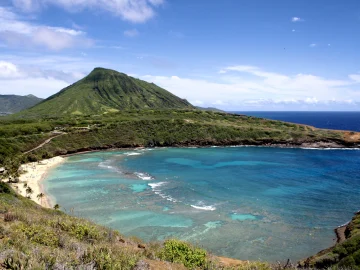
Hanauma Bay asks visitors to protect the reef. Mineral sunscreen and a rash guard are the simplest approach.
While you’re nearby


Keep exploring Oʻahu
More in Travel Tips
What to Pack for Oʻahu: A Practical Packing List by Activity
A realistic Oʻahu packing list organized by beach, snorkel, hiking, rain and travel days — plus…
Oʻahu on a Budget: How to Save Without Missing Out
Where the money goes on an Oʻahu trip, how to save on lodging and transport, and…
Oʻahu Island Information: Basics to Know Before You Go
Oʻahu basics for first-time visitors: geography, time zone, language, local customs and where to start planning.
Getting Around Oʻahu: Rental Car, TheBus, Skyline and Rideshare Compared
Rental car, TheBus, Skyline rail, rideshare or tours? How to get around Oʻahu depending on where…