Plan Your Oʻahu Trip: A Practical Planning Guide
How many days you need, which side of the island suits you, where to stay, whether you need a car, and what to book before you fly.
In this guide15 sections
- How many days do you need on Oʻahu?
- Which side of Oʻahu should you visit?
- Where to stay on Oʻahu
- Do you need a rental car?
- Getting around without a car
- What to book before you fly
- When is the best time to visit?
- What to pack
- Budgeting for Oʻahu
- Free and low-cost things to do
- What to do when it rains
- Scenic drives worth doing
- Ocean and trail safety
- Frequently asked questions
- Keep planning
Oʻahu is small — you can drive around most of it in a day — but it rewards a little planning. The island has six very different sides, a couple of popular places that now need advance reservations, and traffic that matters more than distance. This guide walks through the decisions in the order you’ll actually make them.
How many days do you need on Oʻahu?
For a first visit, five to seven days is the comfortable range. That gives you time for Waikīkī and Honolulu, one full day on the Windward side, one full day on the North Shore, and a morning at Hanauma Bay or Diamond Head — without spending every day in the car.
- 3 days: stay in Waikīkī, pick one timed-entry spot (Diamond Head or Hanauma Bay), and do a single island loop. See the 3-day plan.
- 5 days: the first-timer sweet spot. See the 5-day itinerary.
- 7 days: adds the West side, a rest day and a weather backup. See the 7-day plan.
- 10+ days: consider splitting your stay — a few nights in Waikīkī, then a few on the North Shore, in Kailua or at Ko Olina.
Which side of Oʻahu should you visit?
All of them, ideally — but each suits a different kind of day.
| Region | Best for | From Waikīkī (no traffic) |
|---|---|---|
| Waikīkī & Honolulu | First-timers, food, history, no-car days | You’re there |
| East Oʻahu | Hanauma Bay, coastal lookouts, sunrise hikes | About 25–35 min |
| Windward Oʻahu | Kailua and Lanikai beaches, kayaking, green cliffs | About 25–40 min |
| North Shore | Haleʻiwa, food trucks, winter surf, summer snorkeling | About 1 hour |
| Central Oʻahu | Plantation history, a stop on the way north | About 35–45 min |
| West Oʻahu | Ko Olina lagoons, resort stays, sunsets | About 35–45 min |
Drive times are rough estimates for planning only; real times depend heavily on the hour and day.
Where to stay on Oʻahu
Most visitors stay in Waikīkī, and for a first trip that’s usually the right call: you can walk to the beach, restaurants and tours, and you don’t need a car every day. Other areas trade convenience for atmosphere.
| Area | Best for | Atmosphere | Trade-offs |
|---|---|---|---|
| Waikīkī | First visits, short trips, no car | Busy, walkable, lots of choice | Crowds; hotel parking usually costs extra per night |
| Ko Olina (West) | Families, resort stays, calm lagoons | Quiet, self-contained | You’ll need a car for most outings; longer drives to the North Shore and East side |
| Kailua (Windward) | Beach-focused, slower trips | Small-town, residential | Mostly vacation rentals — check that a rental is legally permitted |
| North Shore | Surf season, return visitors, long stays | Rural and laid-back | Far from Honolulu; limited lodging |
Do you need a rental car?
Not for every day. If you’re staying in Waikīkī, you can easily spend two or three days without one. For the Windward side, the North Shore and sunrise hikes, a car makes life much easier.
A common approach is to rent for just the days you leave town. Keep in mind:
- Many Waikīkī hotels charge for parking every night — sometimes $40 or more — so a car sitting in a garage can be expensive. Check your hotel’s current rate.
- Popular trailheads and beach parks fill early, and break-ins happen at scenic pull-offs. Don’t leave anything visible in the car.
Getting around without a car
- TheBus covers most of the island, including Haleʻiwa on the North Shore. Fares are paid with a HOLO card or the HOLO app, with a daily fare cap. City buses no longer drive down into Hanauma Bay itself. Check current fares.
- Skyline, Honolulu’s rail line, runs between East Kapolei and Middle Street, including a stop at the airport. It doesn’t reach Waikīkī yet.
- Walking, rideshare and tours cover Waikīkī, Diamond Head and most of Honolulu.
More detail: getting around Oʻahu compared.
What to book before you fly
Three of Oʻahu’s most popular experiences use timed reservations for visitors. Book these as soon as your dates are firm.
Hanauma Bay Nature Preserve
- Closed Mondays and Tuesdays (and Christmas and New Year’s Day).
- Non-resident reservations open online two days in advance at 7 a.m. Hawaiʻi time, and go quickly. A limited number of walk-in tickets may be available.
- Non-residents pay an entry fee (currently $25, children 12 and under free) and a small cash parking fee. Every visitor watches a short education video first.
Official Hanauma Bay information
Diamond Head State Monument
- Non-residents need a reservation for entry and for parking, bookable up to 30 days ahead.
- Current fees are $5 per person and $10 per vehicle; the first entry slot is at 6 a.m.
Reserve Diamond Head (official)
Pearl Harbor National Memorial
- The memorial is free, but the USS Arizona Memorial program uses timed tickets on Recreation.gov with a small reservation fee. Tickets are released in advance, with an additional batch the day before.
- Bags aren’t allowed inside; there’s paid bag storage near the entrance.
Plan a Pearl Harbor visit (NPS)
When is the best time to visit?
Oʻahu is warm all year, so “best” depends on what you want:
- Spring and fall tend to be less crowded than summer and the winter holidays.
- Winter (roughly November–February) brings big surf to the North Shore — spectacular to watch, dangerous to swim. It’s also humpback whale season.
- Summer usually brings calmer water to the North Shore, opening up snorkeling there, while the south shore gets more surf.
- The Windward side gets more passing showers year-round thanks to the trade winds; they’re usually brief. See Oʻahu weather by season.
What to pack
Pack light, but don’t skip the few things that are hard to improvise: mineral sunscreen, shoes with grip for trails, a light rain layer and a way to keep your phone dry.
For the full list by activity — beach, snorkel, hiking, rain and travel days — see what to pack for Oʻahu.
Budgeting for Oʻahu
Lodging is usually the biggest cost, followed by car rental and parking, and activities. A few things to factor in that surprise people:
- Hawaiʻi’s state and county accommodation taxes are added to room rates — the state rate increased at the start of 2026 — and many hotels add resort fees on top.
- Nightly hotel parking in Waikīkī.
- Non-resident fees at Hanauma Bay and Diamond Head.
Our budget calculator gives a rough daily range by travel style, and Oʻahu on a budget covers how to save.
Free and low-cost things to do
- Beaches — all beaches in Hawaiʻi are public.
- Sunset at Ala Moana Beach Park’s Magic Island or along Kapiʻolani Park.
- The Makapuʻu Point Lighthouse Trail (free, no reservation).
- Browsing Chinatown and downtown Honolulu, including the outside of ʻIolani Palace.
- Watching winter big-wave surf from the sand on the North Shore.
- Plate lunch, poke and malasadas — some of the best food on the island is the cheapest. See our plate lunch guide.
What to do when it rains
- Museums: Bishop Museum, Honolulu Museum of Art, and the Pearl Harbor museums.
- ʻIolani Palace tours.
- A food crawl through Chinatown or Kapahulu Avenue.
- Avoid ridge trails and waterfall hikes during and right after heavy rain — they get slippery and streams can rise quickly.
Scenic drives worth doing
- The East Oʻahu coast: Waikīkī → Hanauma Bay lookout → Hālona Blowhole → Makapuʻu → Waimānalo.
- The Windward coast: Kailua → Kāneʻohe → Kualoa → up the coast toward Lāʻie and the North Shore.
- The Pali Highway over the Koʻolau mountains, stopping at the Nuʻuanu Pali Lookout (non-resident parking fee).
Ocean and trail safety
Before any ocean day, check current conditions at Hawaiʻi Beach Safety.
Frequently asked questions
Is Oʻahu good for first-time visitors to Hawaiʻi?
Yes. It has the most flights, the most lodging choice and the widest range of things to do, and a lot is reachable without a car.
Is Oʻahu expensive?
It can be, mainly because of lodging, taxes, resort fees and parking. Eating local-style, using TheBus for some days and focusing on free beaches and trails keeps costs down.
Do I need reservations for Hanauma Bay and Diamond Head?
Non-residents should plan on it. Diamond Head requires reservations for non-residents; Hanauma Bay reservations open two days ahead and sell out quickly, with limited walk-in tickets.
Is Oʻahu good for families?
Very — calm lagoons at Ko Olina, lifeguarded beaches in Waikīkī and Kailua, and short hikes make it easy with kids. See our Oʻahu with kids guide.
Keep planning
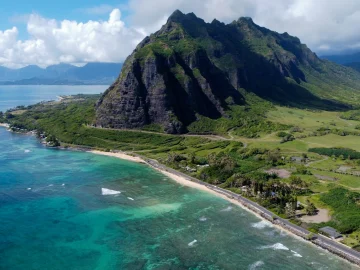 Oʻahu Itinerary: A Realistic 5-Day Plan (Plus 3- and 7-Day Versions)3, 5 and 7-day plans
 What to Pack for Oʻahu: A Practical Packing List by ActivityBeach, trail and rain gear
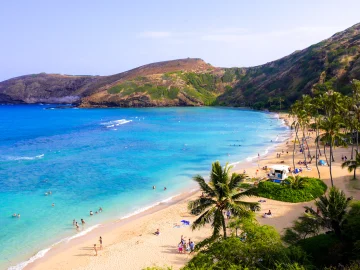 The Best Snorkeling Beaches on Oʻahu, by Season and Skill LevelWhere to see reef and turtles
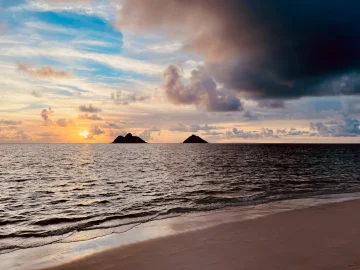 Five Sunrise Hikes on Oʻahu Worth the Early AlarmEarly-start trails worth the alarm