The Best Hikes on Oʻahu: Open Trails Compared (and Ones to Skip)
Diamond Head, Makapuʻu, Koko Crater, Mānoa Falls, Lanikai Pillbox and Kaʻena Point compared — plus closed trails to avoid.
In this guide11 sections
Oʻahu’s trails range from a paved lighthouse path to steep crater stairs and rainforest walks to waterfalls. This guide covers the best-known hikes that are currently open to the public, compares them side by side, and flags the trails you should skip.
Oʻahu hikes compared
| Trail | Region | Difficulty | Round trip (approx.) | Good to know |
|---|---|---|---|---|
| Diamond Head summit | Honolulu | Moderate | About 1.6 miles | Non-resident reservations required |
| Makapuʻu Point Lighthouse | East | Easy–moderate (paved) | About 2 miles | Exposed and hot; whale views in winter |
| Koko Crater Trail | East | Strenuous | Short but very steep | Free; old railway ties straight up |
| Mānoa Falls | Honolulu | Easy–moderate | About 1.6 miles | Muddy rainforest trail; parking at a private lot |
| Lanikai Pillbox (Kaʻiwa Ridge) | Windward | Moderate | About 2 miles | Residential trailhead; park in Kailua |
| Kaʻena Point | North / West tip | Moderate (long, exposed) | About 5 miles | Currently via the Mokulēʻia (north) side only |
Distances are approximate and for comparison only.
Diamond Head
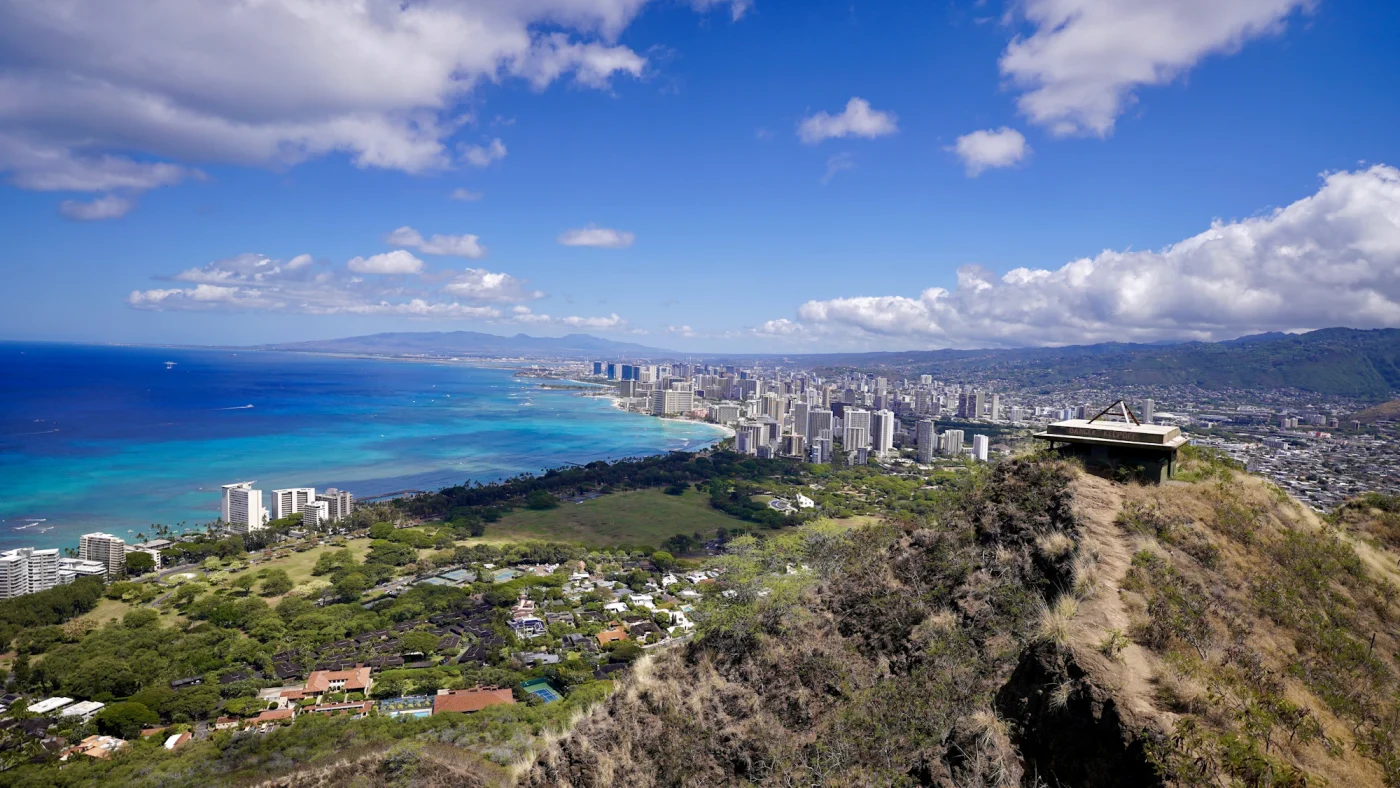
The island’s most famous hike, climbing the inside of the crater to views over Waikīkī. Non-residents need entry and parking reservations. Diamond Head guide.
Makapuʻu Point Lighthouse Trail
A paved, steady climb to lookouts over the lighthouse and the Windward coast. The state lists it at about 2 miles round trip. There’s no shade, so go early.
Koko Crater Trail
The “Koko Head stairs” climb roughly a thousand old railway ties to the crater rim. The city reopened it in July 2025 after sealing off old bunker access. It’s free, short and brutally steep — bring plenty of water and descend carefully.
Mānoa Falls
A rainforest walk in Mānoa Valley to a tall, thin waterfall, about 15–20 minutes’ drive from Waikīkī. It’s often muddy, and the trail had reduced hours during maintenance earlier in 2026 — check the state’s notices before going. Parking is at a private lot near the trailhead.
Lanikai Pillbox
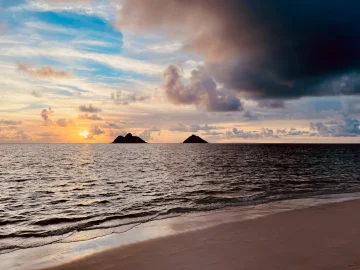
A short, steep ridge hike to World War II-era pillboxes with the famous sunrise view of the Mokulua Islands. Sunrise hikes on Oʻahu.
Kaʻena Point
A long, flat-to-rolling coastal walk to Oʻahu’s westernmost tip, a protected natural area where seabirds nest and monk seals sometimes rest. As of November 2026, the state has closed the Keawaʻula (Waiʻanae-side) trail because of storm damage, so access is from the Mokulēʻia side on the North Shore. It’s fully exposed — bring lots of water and sun protection.
Trails to skip
- Haʻikū Stairs (“Stairway to Heaven”): closed to the public and illegal to access; trespassers are cited and arrested, and the stairs are being removed.
- Maunawili Falls from the old neighborhood trailhead: closed since 2021 for an improvement project. Don’t try to access it through the residential area.
- Any trail with “closed” or “no trespassing” signs.
Hiking safety on Oʻahu
- Start early; afternoons are hot and exposed.
- Carry 1–2 liters of water per person.
- Skip ridge and waterfall trails during and after heavy rain.
- Stay on marked trails, and tell someone your plan.
Frequently asked questions
What is the easiest hike on Oʻahu?
The Makapuʻu Point Lighthouse Trail is paved the whole way, though it’s still uphill and exposed.
Do I need a reservation to hike Diamond Head?
Non-residents need a reservation for entry, and for parking if driving.
Is the Stairway to Heaven open?
No. Haʻikū Stairs is closed and illegal to access, and the stairs are being removed.
While you’re nearby
Keep exploring Oʻahu
More in Hiking
Five Sunrise Hikes on Oʻahu Worth the Early Alarm
From the paved Makapuʻu lighthouse path to the Koko Crater stairs — five sunrise-facing hikes compared,…
Diamond Head Hike: Reservations, Trail Tips and Sunrise
Reservations, the trail, the best time to go — and when a summit sunrise is actually…
The Best Beaches on Oʻahu (And Which Ones to Skip for Swimming)
Oʻahu’s best beaches compared by region, season, lifeguard coverage and what each is best for —…
Surfing on Oʻahu: Where to Learn, When to Go and Where to Watch
Where beginners learn to surf on Oʻahu, how the surf seasons work, where to watch big…