Central Oʻahu: Dole Plantation, Wahiawā and the Road North
A practical guide to Oʻahu’s inland plain — Dole Plantation, Wahiawā and Kūkaniloko — and how to fit it into a North Shore day.
In this guide6 sections
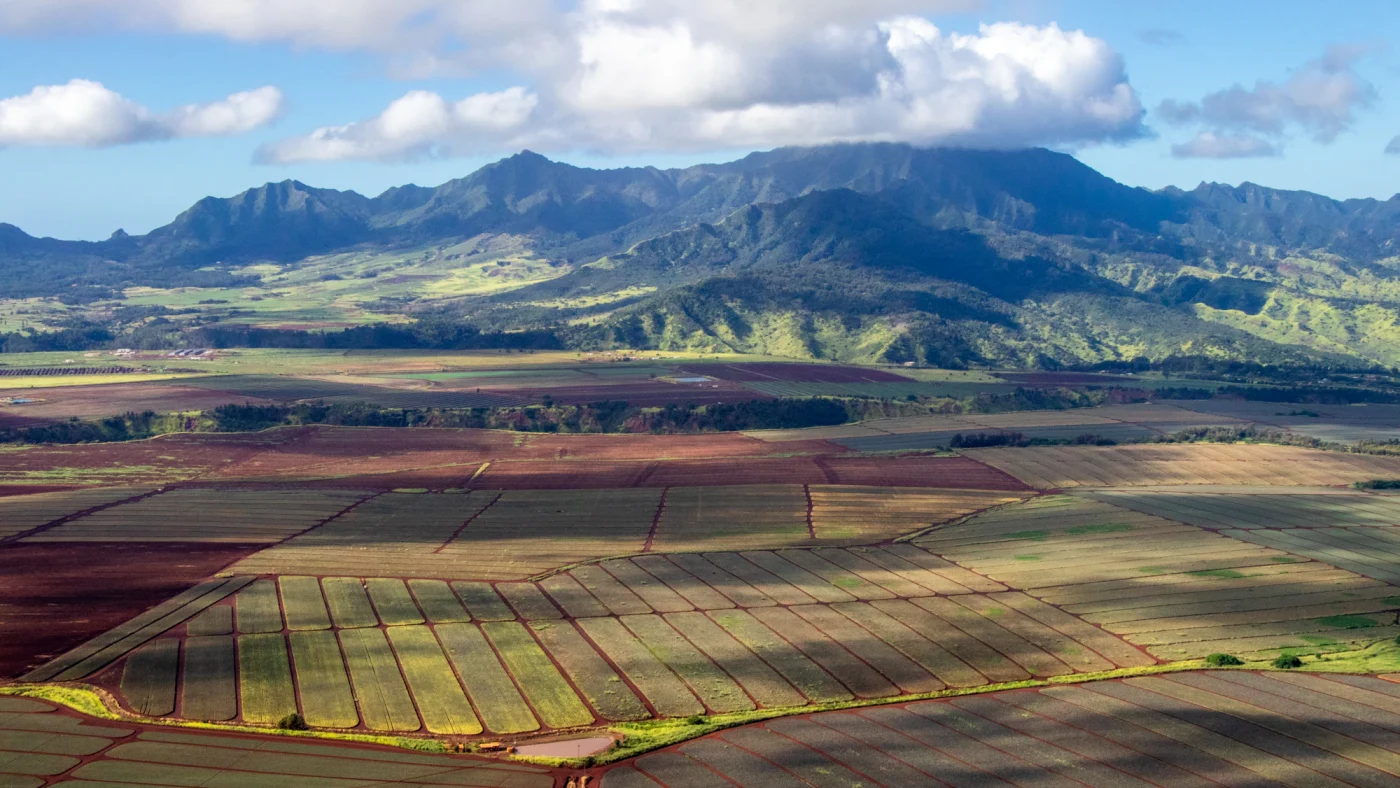
Most visitors drive straight through Central Oʻahu on the way to the North Shore, but the island’s inland plain — between the Waiʻanae and Koʻolau ranges — is worth a slower look. It’s where Oʻahu’s plantation history is easiest to see, and it makes a natural first stop on a North Shore day.
Dole Plantation
The best-known stop in Central Oʻahu, with a garden maze, a narrow-gauge train ride through the fields, gardens and the famous pineapple soft-serve. It’s busy with tour buses later in the day, so it works best as an early stop. Some attractions charge admission; check current options on the plantation’s own site.
Wahiawā town
A small inland town with local diners, bakeries and the Wahiawā Botanical Garden, a shady, quieter garden with tropical plants that sees far fewer visitors than the big-name attractions.
Kūkaniloko Birthstones
One of the most sacred sites on Oʻahu, where aliʻi (chiefs) were traditionally born. Visit quietly and respectfully: stay on the paths, don’t climb on or move the stones, and leave nothing behind.
Plantation history
Pineapple and sugar plantations shaped Central Oʻahu for much of the 20th century, bringing workers from Japan, China, the Philippines, Portugal, Korea and elsewhere. That mix still shapes local food — including the plate lunch.
How to fit it in
Stop here on the drive from Honolulu to the North Shore, then continue to Haleʻiwa. North Shore day trip.
While you’re nearby
Keep exploring Oʻahu
More in Central Oʻahu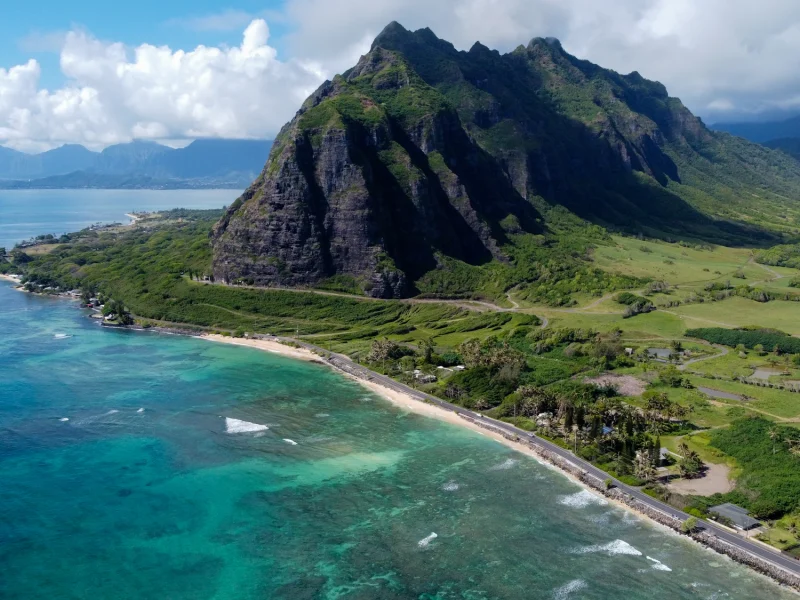
Map of Oʻahu: The Island’s Six Regions Explained
Where Oʻahu’s six regions are, what each is known for, and how to group your days…
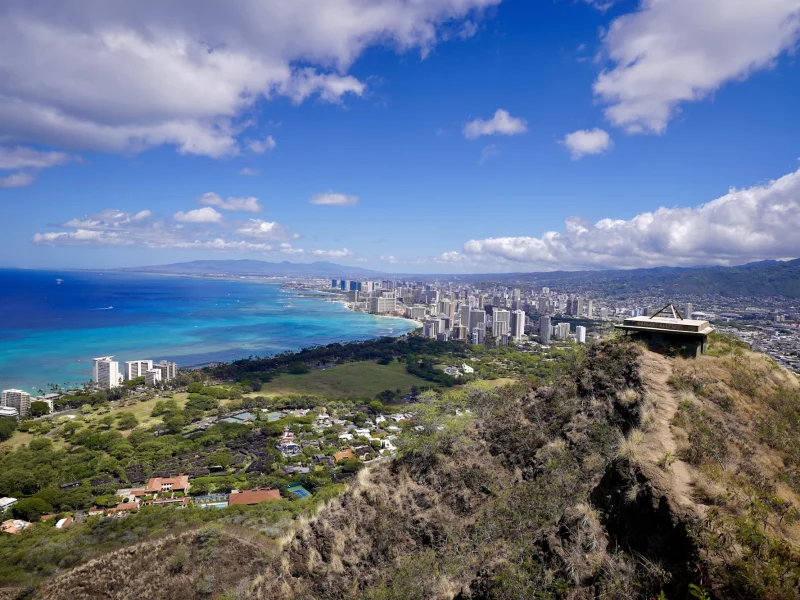
The Best Hikes on Oʻahu: Open Trails Compared (and Ones to Skip)
Diamond Head, Makapuʻu, Koko Crater, Mānoa Falls, Lanikai Pillbox and Kaʻena Point compared — plus closed…
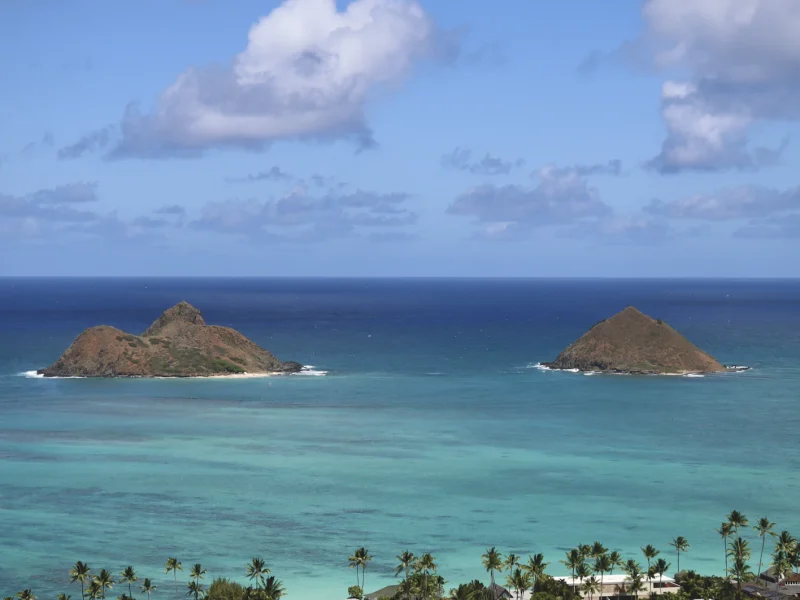
The Best Beaches on Oʻahu (And Which Ones to Skip for Swimming)
Oʻahu’s best beaches compared by region, season, lifeguard coverage and what each is best for —…
Oʻahu on a Budget: How to Save Without Missing Out
Where the money goes on an Oʻahu trip, how to save on lodging and transport, and…