Surfing in Hawaiʻi: History, Culture and How Visitors Can Try It
A short introduction to surfing’s Hawaiian roots, why Oʻahu is surfing’s capital, and how to try it respectfully.
In this guide5 sections
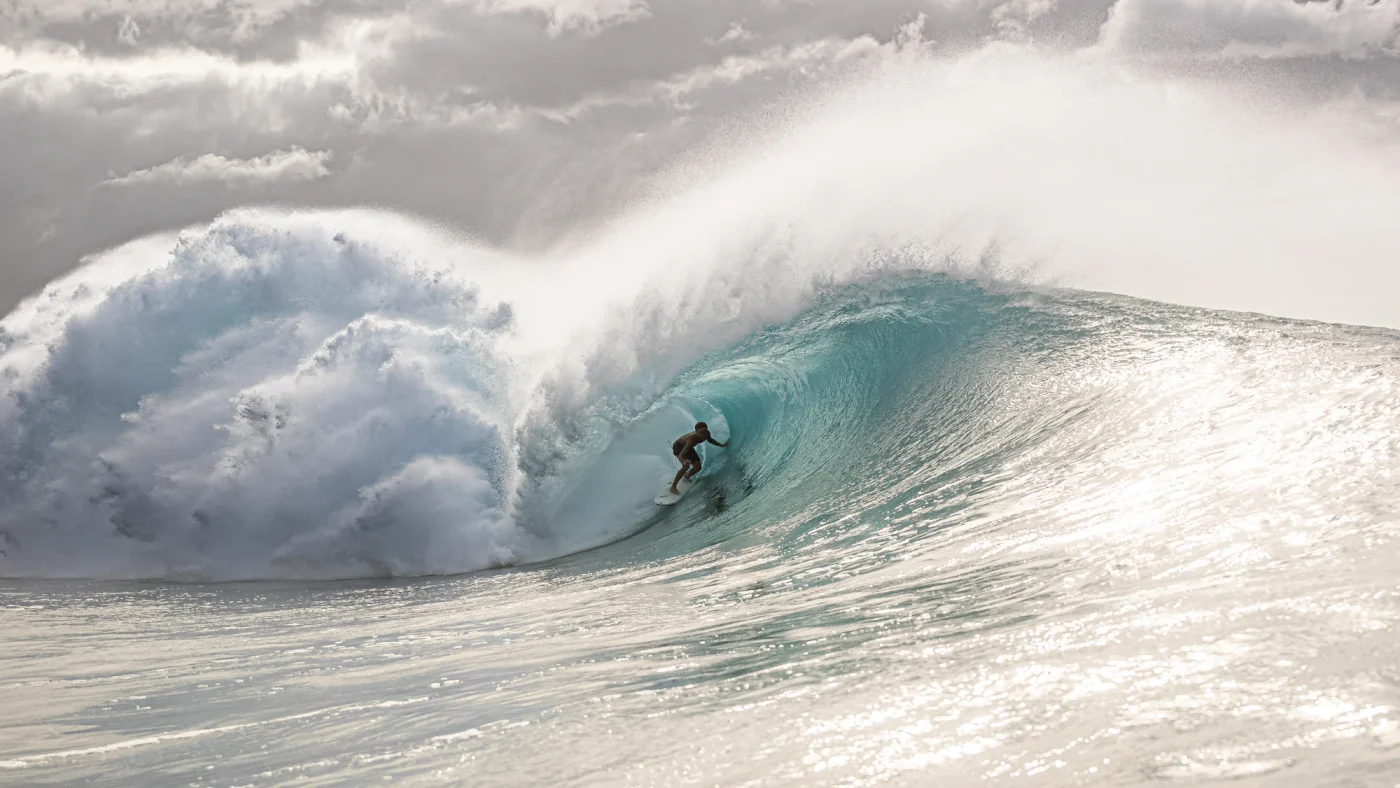
Surfing is woven into Hawaiian culture — it was practiced here long before it spread around the world as a sport. This guide gives a short background and practical pointers for visitors who want to try it, or simply watch, on Oʻahu.
A short history
Surfing, or heʻe nalu, was part of life in ancient Hawaiʻi, enjoyed by both chiefs and commoners. In the early 20th century, Waikīkī watermen — most famously Duke Kahanamoku, the Olympic swimmer whose statue stands on Waikīkī Beach — helped introduce surfing to the rest of the world.
Why Oʻahu is surfing’s capital
- Waikīkī has some of the gentlest learning waves anywhere.
- The North Shore hosts world-famous winter waves and professional contests.
- Different coasts work in different seasons, so there’s usually somewhere to surf.
How visitors can try it
Take a lesson in Waikīkī, rent a soft-top board once you’ve got the basics, and stick to beginner-friendly breaks.
Surf with respect
Learn the etiquette, don’t surf beyond your ability, and remember that many breaks are part of local communities.
While you’re nearby
Keep exploring Oʻahu
More in Surfing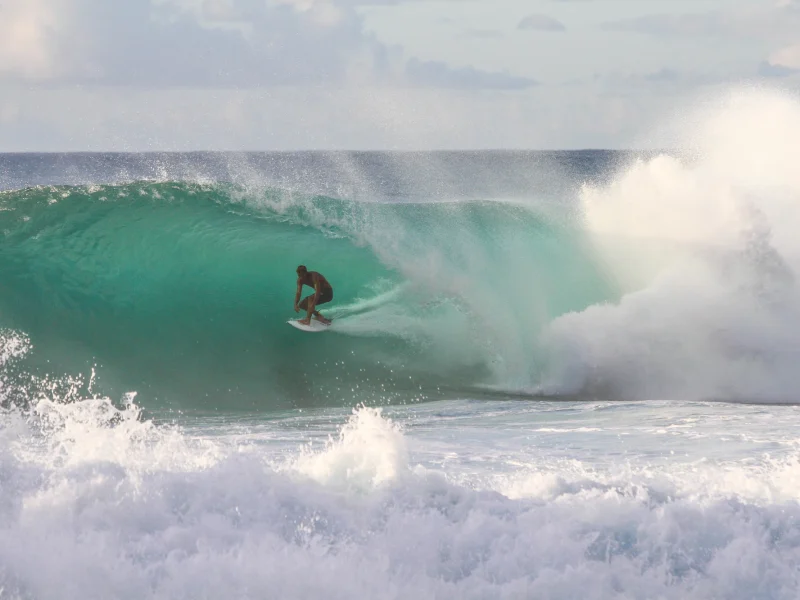
Surfing on Oʻahu: Where to Learn, When to Go and Where to Watch
Where beginners learn to surf on Oʻahu, how the surf seasons work, where to watch big…
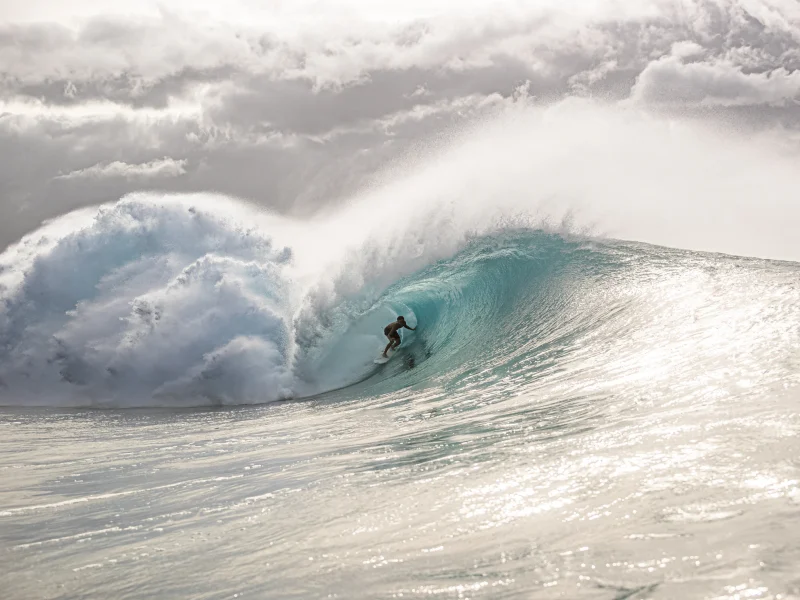
Watching Big-Wave Surf on Oʻahu’s North Shore (Safely)
When the winter swells arrive, where to watch them from the sand, and how to stay…

North Shore Day Trip: A Realistic One-Day Loop
Haleʻiwa, the big-wave beaches and a shrimp-truck lunch in one well-paced day.
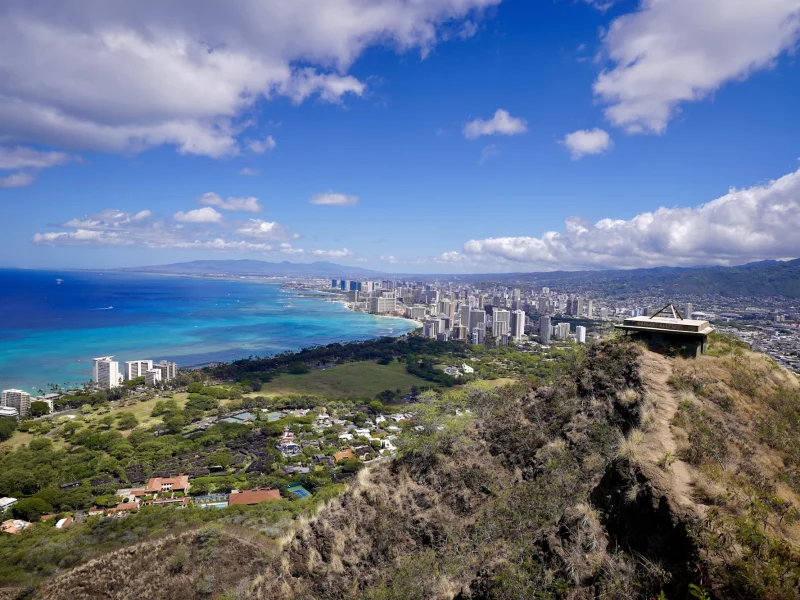
The Best Hikes on Oʻahu: Open Trails Compared (and Ones to Skip)
Diamond Head, Makapuʻu, Koko Crater, Mānoa Falls, Lanikai Pillbox and Kaʻena Point compared — plus closed…